The Shadow Lover Archetypal Wound: Hidden in the Shadows
The Shadow Lover Archetypal Wound: Hidden in the Shadows of Love
The Inheritance That Made You Accept Secrecy Instead of Sacredness
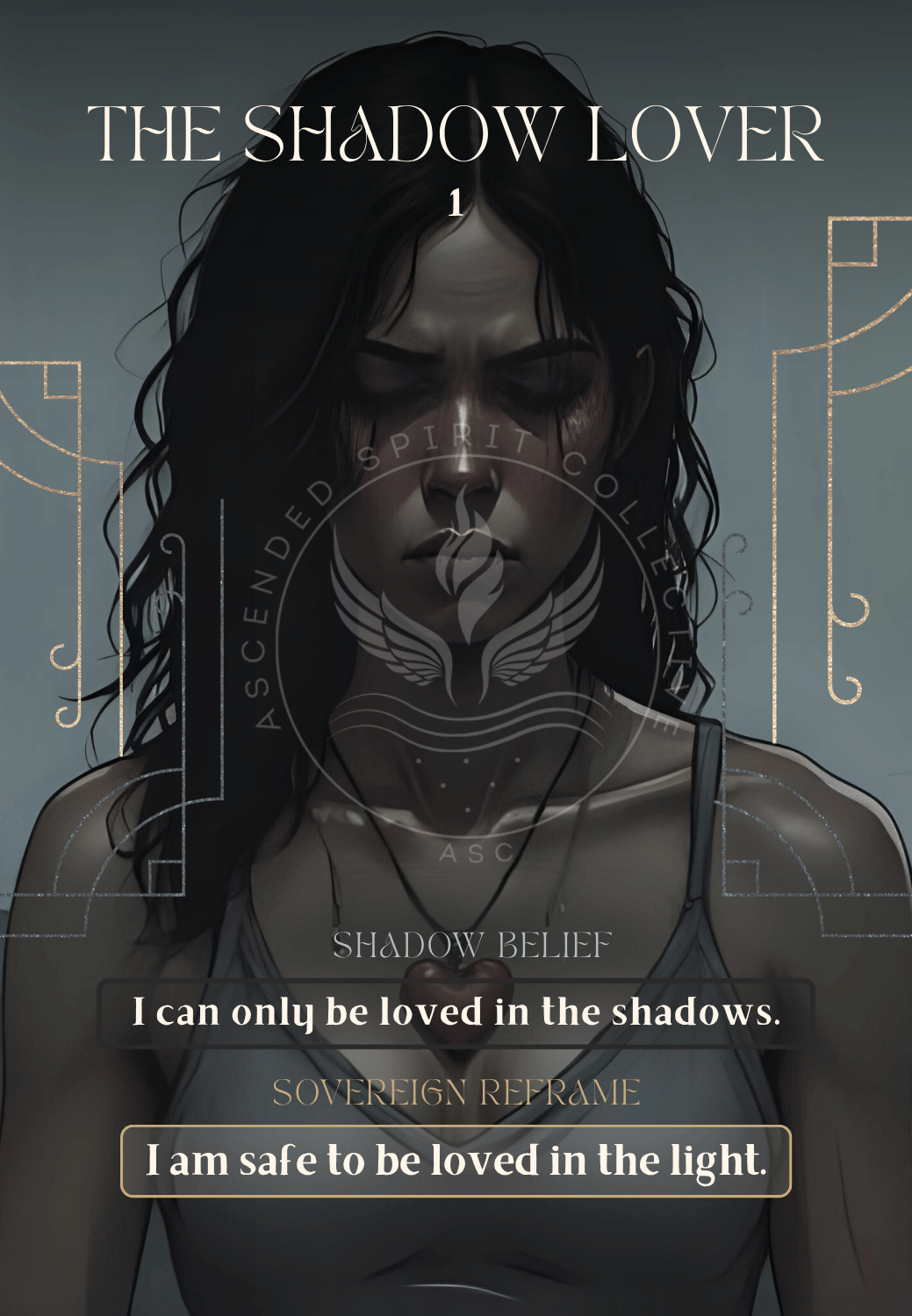
The Shadow Belief
“I can only be loved in the shadows. Wanting love openly makes me vulnerable. It is safer to accept crumbs than to demand devotion.”
There is a wound that keeps love hidden. Not because it is not real, but because somewhere along the line, you learned that wanting love openly was the most dangerous thing you could do. So you accepted the back door. The late-night text. The private affection that never made it into the daylight. The almost-relationship that felt sacred in the dark but disappeared by morning.
This is The Shadow Lover Archetypal Wound. And if you have ever settled for secrecy instead of sacredness, mistaken privacy for protection, or accepted emotional crumbs from someone who could not claim you in the light — you are carrying it.
Where This Archetypal Wound Was Born
In tribal cultures, before we were separated from our natural systems of belonging, desire was woven into the fabric of community. Attraction was witnessed. Courtship was public. Love was celebrated as a force that strengthened the whole group. There was no concept of hiding desire — because desire was not yet coded as shameful.
The Victorian Era rewrote that code entirely. Marriages became economic transactions built on duty, not love. Desire was forced underground. Those who loved passionately did so in the shadows — secret liaisons, hidden letters, unspoken devotion. The culture taught that respectable love was restrained, visible, and contractual. The love that burned was kept behind closed doors, because burning was considered dangerous.
The Industrial era compounded this by making individuals productive or useful to the machine above all else — there was no time for longing, no space for desire that could not be monetised. Love became a distraction from output. And the Polarity Collapse deepened the wound further, teaching that needing someone was weakness, wanting openly was desperation, and independence was the only safe position in partnership.
How This Archetypal Wound Manifests Today
You might recognise The Shadow Lover in the pattern of accepting love that cannot be claimed publicly. Shame around being seen in relationship. Settling for private affection instead of public devotion. Believing that wanting love openly makes you weak or desperate. Choosing emotionally unavailable partners because the distance feels familiar. Hiding your desire behind a smile and telling yourself you are fine with breadcrumbs.
This Archetypal Wound creates a specific signature: you attract intensity but not commitment. You experience depth but not daylight. The connection feels real in the hidden hours but evaporates when the world is watching. And each time, you blame yourself — as if your longing was the problem, rather than the inherited code that taught you to hide it.
The healing is not to stop wanting. It is to stop hiding your wanting. To step out of the shadows and declare that you are worthy of love that meets you in the open. Love that does not require secrecy to feel sacred. Love that walks beside you proudly, claims you publicly, and does not ask you to shrink your desire to make it safe for someone else’s comfort.
Your longing is not shameful. It is the most honest thing about you. And the love you deserve does not live in the shadows. It stands in the light — waiting for you to meet it there.
The Sovereign Reframe
“I am safe to be loved in the light. My longing is not shameful. I am worthy of love that walks beside me in the daylight.”
Journal Prompts for Integration
▸ Where in my life am I accepting secrecy instead of sacredness — and what would it feel like to be loved in the open?
▸ What did I learn about desire that made me believe it needed to be hidden — and whose rules am I still following?
▸ What kind of love am I ready to call in if I stop settling for the shadow version?
Go Deeper With the Full Healing Toolkit
This article introduces the wound. The Archetypal Wounds Oracle Deck gives you the complete toolkit to heal it — including a personalised EFT Tapping Script, ACT Integration Process, Mirror Mantra, and guided Journal Prompts for every single archetype.
Get your deck at archetypalwounds.com
Support this work: ko-fi.com/fionaellis
Research Disclaimer: This article draws on cultural history, epigenetic research, and archetypal psychology. It is intended for education and self-reflection, not as a substitute for professional mental health support. The Archetypal Wounds Oracle Deck was created by Fiona Ellis and informed by AI-assisted research. If you are experiencing a mental health crisis, please contact a qualified professional.
© 2026 Fiona Ellis | archetypalintegration.com
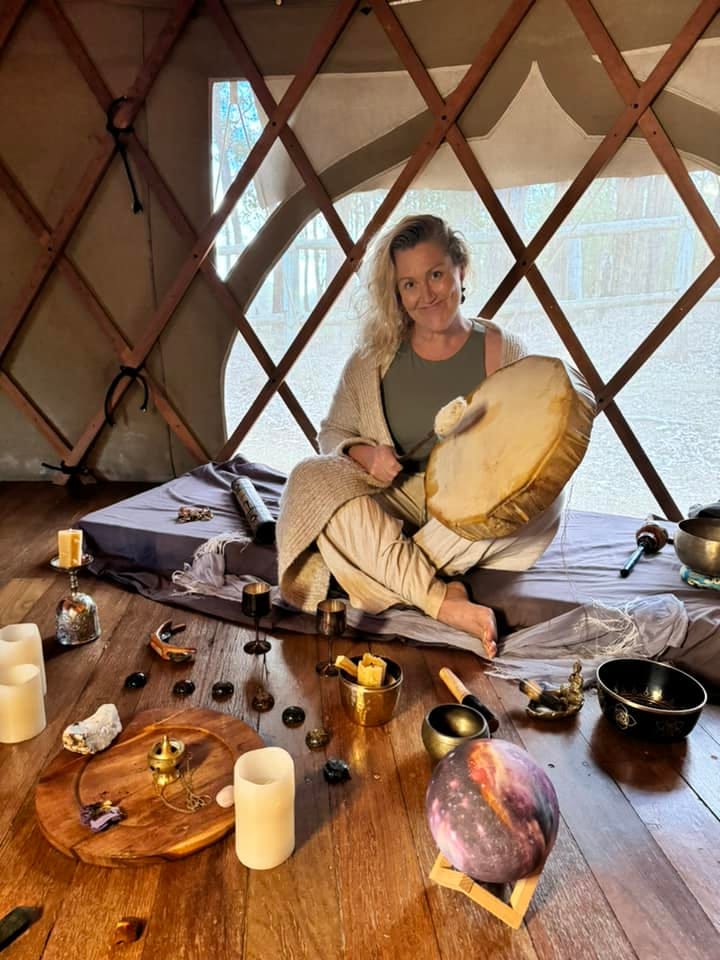
Fiona Ellis is the creator of the Archetypal Wounds Oracle Deck and founder of Archetypal Integration. A Master Trainer of Shamanic NLP with over 15 years of experience, she maps the inherited trauma patterns that shape our relationships, identity, and sense of worth — bridging archetypal psychology, cultural trauma theory, and somatic integration to help people heal what their lineage could not.

A 68-card oracle system mapping the inherited trauma patterns that shape your life, relationships, and sense of worth. Created by Fiona Ellis — Master Trainer of Shamanic NLP and founder of Archetypal Integration.
Every card in this deck maps a pattern passed down through your lineage — not as personal failure, but as generational inheritance. The healing starts when the wound is witnessed.
Get the Oracle Deck