The Sister Wound Archetypal Wound: Betrayed by the Feminine
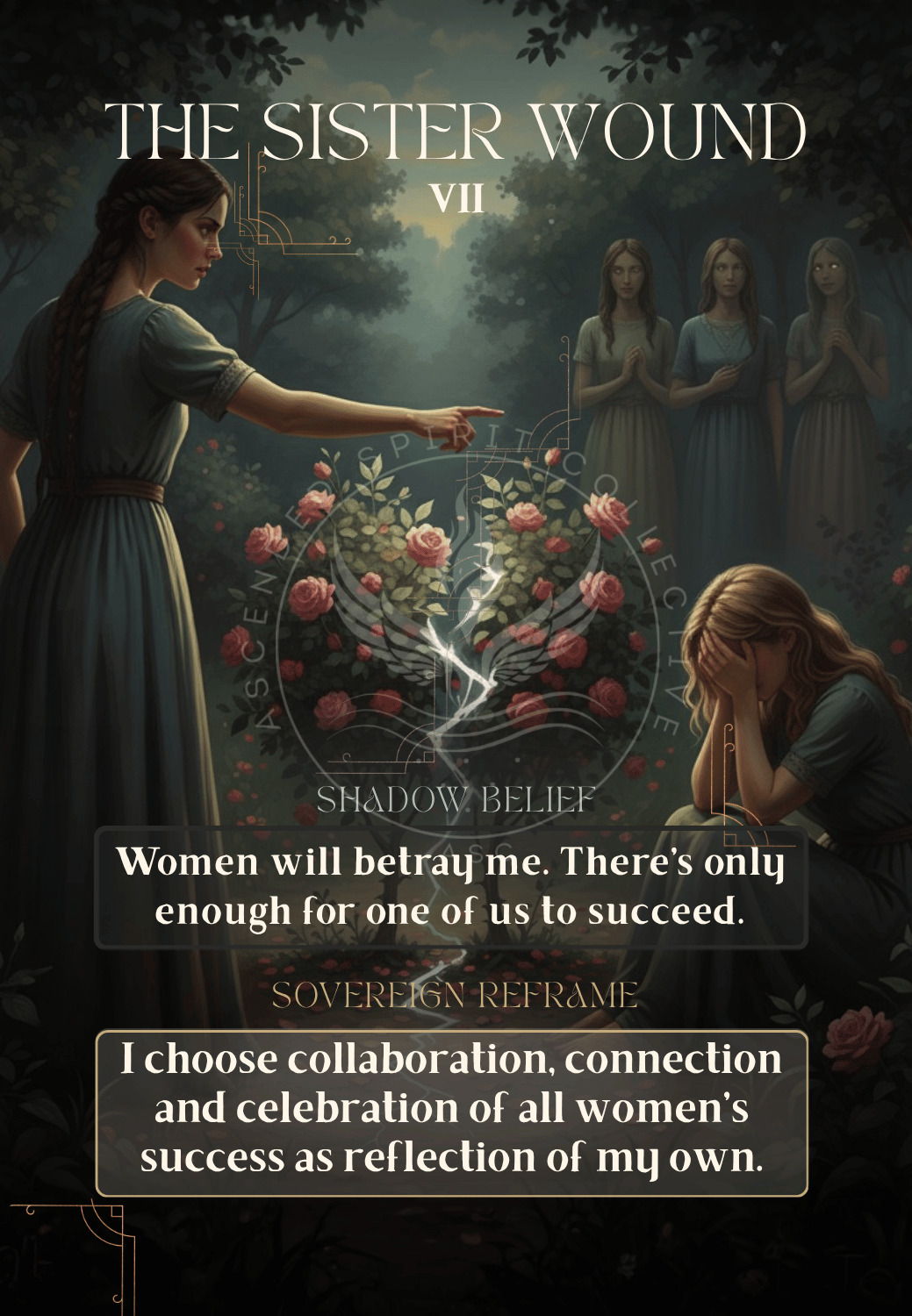
The Sister Wound Archetypal Wound: Betrayed by the Feminine
The Inheritance That Made Sisterhood Feel Like a Battlefield
The Shadow Belief
“I can’t trust women. They always leave, betray, or compete with me. No matter how close we become, it never lasts.”
There is a wound that lives between people who should be allies. It is the sting of exclusion, the sharp edge of comparison, the quiet devastation of being turned against by someone you trusted with your heart. It turns connection into competition and sisterhood into a survival game where the rules change without warning.
This is the Sister Wound Archetypal Wound. And if you have ever been hurt by someone you trusted, pulled away from feminine connection, or found yourself expecting betrayal in your closest relationships — you are carrying it.
Where This Archetypal Wound Was Born
This Archetypal Wound draws from the Polarity Collapse. When individuals were forced into survival-mode independence and denied the safety of interdependence, many turned toward alliances with their own — but brought their wounds with them. Connection became a battlefield of unhealed projections, unmet needs, and masked competition.
Cultural patterns of comparison, gossip, and jealousy were normalised. Media tropes framed people as rivals, not allies. Trust became fragile and conditional. But the feminine is not meant to heal alone. This archetype names the fracture — the moment when sacred sisterhood was replaced by strategic alliance — and offers the possibility of true union.
This wound is not limited to women. It lives in anyone who has experienced betrayal, exclusion, or competition within their closest circles. Anyone who learned that intimacy is a prelude to attack, and that being open is an invitation to be destroyed. The wound is about broken trust in feminine-coded relationships: nurturing bonds, emotional intimacy, the spaces where you were supposed to be safe.
How This Archetypal Wound Manifests Today
You might recognise the Sister Wound in distrust of close friendships and a pattern of keeping people at arm’s length. Avoiding communities or collectives because groups feel unsafe. Abandonment wounding that flares in social settings. Jealousy, comparison, or internalised shame that surfaces around peers. Fear of betrayal or exclusion that makes you hypervigilant in groups. The instinct to outshine everyone — or to dim your light entirely so you are not targeted.
This wound creates a painful paradox: the deep longing for connection alongside the reflexive protection against it. You want to be witnessed, held, celebrated by your people — but your nervous system has learned that closeness leads to pain. So you hover at the edges of community, never fully in, never fully out, always watching for the betrayal you have been trained to expect.
The healing is not to force trust or pretend the pain did not happen. It is to grieve what was lost, name what was missing, and choose to open again — slowly, safely, on your own terms. True sisterhood is not performative or toxic. It is sacred. There are people who will hold you with reverence, love, and strength. Let yourself receive them.
The Sovereign Reframe
“Sisterhood is sacred. I open to intimacy and connection. I call in aligned, healed, reciprocal relationships.”
Journal Prompts for Integration
▸ Where have I closed off from connection due to past betrayal — and what would it feel like to open again?
▸ What did the betrayal teach me about trust — and is that lesson still serving me, or is it keeping me isolated?
▸ What kind of sacred connection am I ready to call in — if I let go of the belief that it will end in pain?
Go Deeper With the Full Healing Toolkit
This article introduces the wound. The Archetypal Wounds Oracle Deck gives you the complete toolkit to heal it — including a personalised EFT Tapping Script, ACT Integration Process, Mirror Mantra, and guided Journal Prompts for every single archetype.
Get your deck at archetypalwounds.com
Support this work: ko-fi.com/fionaellis
Research Disclaimer: This article draws on cultural history, epigenetic research, and archetypal psychology. It is intended for education and self-reflection, not as a substitute for professional mental health support. The Archetypal Wounds Oracle Deck was created by Fiona Ellis and informed by AI-assisted research. If you are experiencing a mental health crisis, please contact a qualified professional.
© 2026 Fiona Ellis | archetypalintegration.com
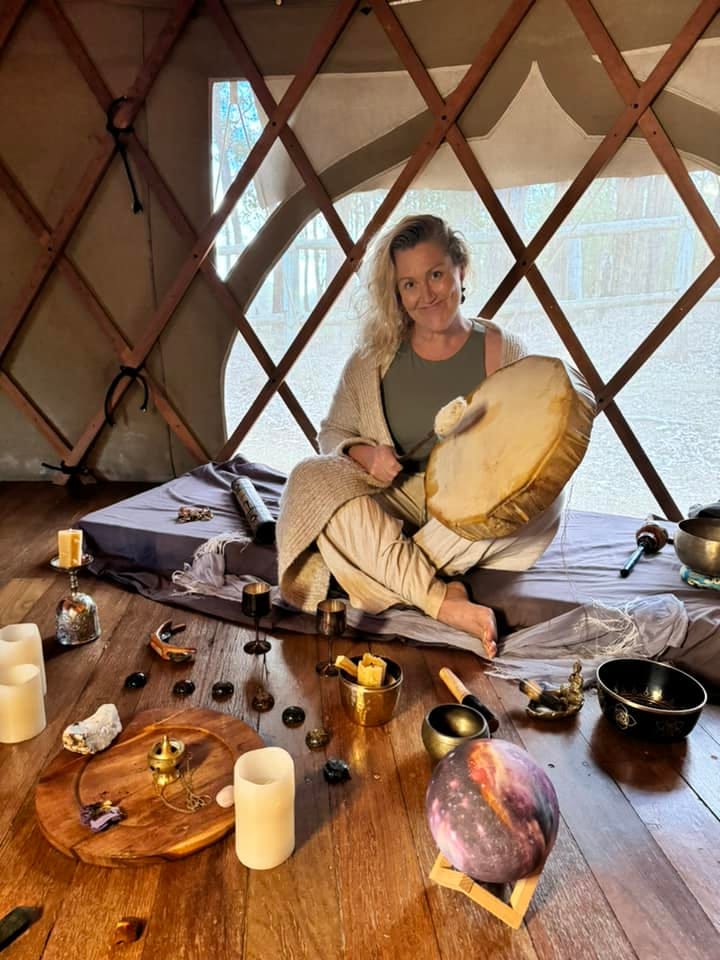
Fiona Ellis is the creator of the Archetypal Wounds Oracle Deck and founder of Archetypal Integration. A Master Trainer of Shamanic NLP with over 15 years of experience, she maps the inherited trauma patterns that shape our relationships, identity, and sense of worth — bridging archetypal psychology, cultural trauma theory, and somatic integration to help people heal what their lineage could not.
A 68-card oracle system mapping the inherited trauma patterns that shape your life, relationships, and sense of worth. Created by Fiona Ellis — Master Trainer of Shamanic NLP and founder of Archetypal Integration.
Every card in this deck maps a pattern passed down through your lineage — not as personal failure, but as generational inheritance. The healing starts when the wound is witnessed.
Get the Oracle Deck