The Battling Beauty Archetypal Wound: Armoured Softness
The Battling Beauty Archetypal Wound: Armoured Against Softness
The Inheritance That Made Vulnerability Feel Like Surrender
The Shadow Belief
“Softness makes me weak. If I soften, I will lose power. I must fight to be respected.”
There is a wound that turns strength into armour. Not the healthy strength that holds boundaries and protects what matters — but the hardened, exhausting kind that cannot put down the sword even when the battle is over. The kind that confuses vulnerability with defeat and rest with regression.
This is The Battling Beauty Archetypal Wound. And if you have ever felt torn between your softness and your strength, or believed that resting into tenderness would cost you everything you have built, or carried your crown like a weapon instead of a birthright — you are carrying it.
Where This Archetypal Wound Was Born
Before the separation, strength and softness coexisted without conflict. The protector could also be tender. The leader could also receive. There was no cultural story that said power required hardness, or that gentleness was a form of weakness.
The Victorian Wound shamed instinct and sensuality, making softness itself dangerous. The Industrial Wound tied worth to output — being productive or useful to the machine was the only acceptable mode, and rest was coded as failure. The Polarity Collapse completed the fracture: independence was exalted, dependence was coded as betrayal of freedom, and the person who softened was the person who lost.
The Battling Beauty was forged in this crucible. Carrying the armour of independence, fighting not only external expectations but their own softness, believing they must conquer rather than co-create. Commanding but closed. Respected but restless. Exhausted by the performance of invulnerability, but terrified of what happens when the armour comes off.
How This Archetypal Wound Manifests Today
You might recognise The Battling Beauty in equating femininity or tenderness with weakness or regression. Believing softness will lead to dismissal or danger. Using armour, fight, or performance to earn respect. Being magnetic but guarded — people are drawn to you, but no one gets close. Confusing conquering with co-creating. Exhaustion from overfunctioning, combined with the fear that resting will cause everything to collapse.
This Archetypal Wound whispers to the part of you that confuses rest with regression and softness with submission. It keeps you in battle mode long after the battle is over, because your nervous system learned that the moment you put down the sword, someone will take advantage of your openness.
The healing is to melt the armour without discarding your power. To lay down the fight and reclaim tenderness as strength. To realise you do not betray your lineage by resting into softness — you honour them by living the wholeness they fought for. True freedom is not choosing between war and gentleness. It is remembering you were always both. You are not just the sword. You are also the sanctuary. And your real power is in being both.
The Sovereign Reframe
“My femininity is not a liability — it is my legacy. I am most powerful when I allow both my softness and my strength to lead.”
Journal Prompts for Integration
▸ Where am I still fighting battles that are already over — and what would it feel like to put down the sword?
▸ What did I learn about softness and safety — and is my armour still protecting me, or is it keeping out the very love I need?
▸ What becomes possible when I stop performing invulnerability and let myself be held?
Go Deeper With the Full Healing Toolkit
This article introduces the wound. The Archetypal Wounds Oracle Deck gives you the complete toolkit to heal it — including a personalised EFT Tapping Script, ACT Integration Process, Mirror Mantra, and guided Journal Prompts for every single archetype.
Get your deck at archetypalwounds.com
Support this work: ko-fi.com/fionaellis
Research Disclaimer: This article draws on cultural history, epigenetic research, and archetypal psychology. It is intended for education and self-reflection, not as a substitute for professional mental health support. The Archetypal Wounds Oracle Deck was created by Fiona Ellis and informed by AI-assisted research. If you are experiencing a mental health crisis, please contact a qualified professional.
© 2026 Fiona Ellis | archetypalintegration.com
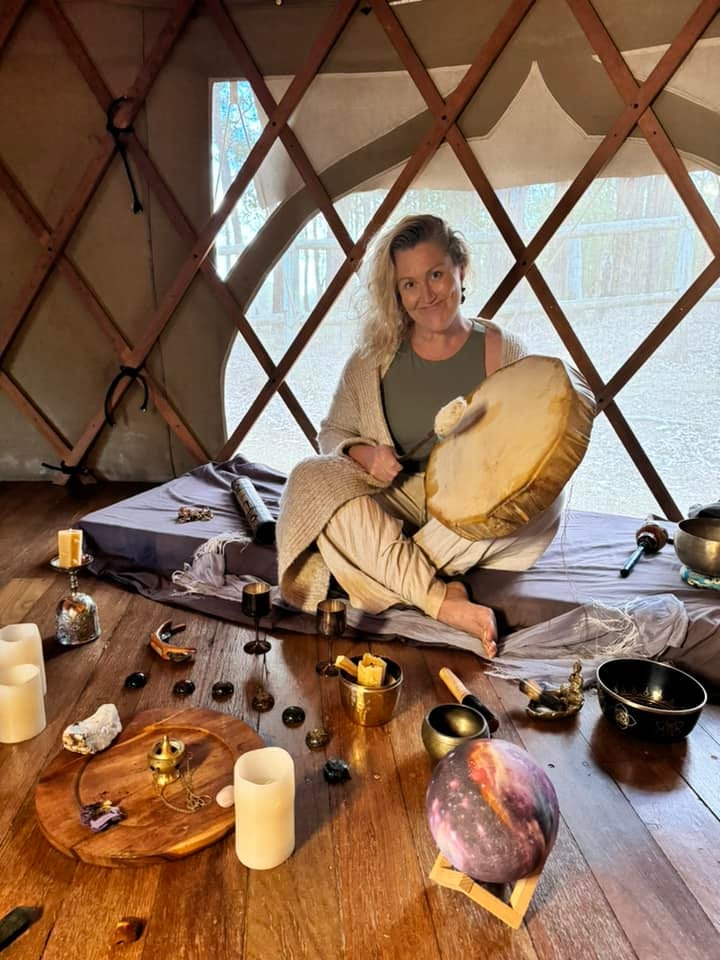
Fiona Ellis is the creator of the Archetypal Wounds Oracle Deck and founder of Archetypal Integration. A Master Trainer of Shamanic NLP with over 15 years of experience, she maps the inherited trauma patterns that shape our relationships, identity, and sense of worth — bridging archetypal psychology, cultural trauma theory, and somatic integration to help people heal what their lineage could not.
A 68-card oracle system mapping the inherited trauma patterns that shape your life, relationships, and sense of worth. Created by Fiona Ellis — Master Trainer of Shamanic NLP and founder of Archetypal Integration.
Every card in this deck maps a pattern passed down through your lineage — not as personal failure, but as generational inheritance. The healing starts when the wound is witnessed.
Get the Oracle Deck